Mending Hearts provides women therapeutic recovery that addresses not only their addiction but also co-occurring mental health and trauma issues. We offer a full continuum of care from medically-monitored detox to residential treatment, all the way through to community reintegration. While most residential rehabilitation centers offer programs that are only thirty days, Mending Hearts is unique in that the average stay for women is three to six months. This provides the time and support necessary to address underlying trauma and triggers to help prevent relapse.
The full continuum of care provided includes
Medical Detox/Licensed Medically Monitored Detoxification
Treatment for long-term substance abuse with co-occurring mental health disorders requires medical management. Medically Monitored Detoxification provides inpatient treatment by an interdisciplinary team to assist with the withdrawal process, 24/7 nursing care by staff specially trained in medically-monitored detox, evidence-based medical care for the safest and most effective treatment of withdrawal symptoms, and Medication Assisted Treatment (MAT) if indicated by a physician.
Medication-Assisted Treatment (MAT)
Mending Hearts specializes in a person-centered, evidence-based MAT treatment plan with recovery support to ensure safe withdrawal from drugs and alcohol. The use of medications in combination with counseling and behavioral therapies, which is effective in the treatment of opioid use disorders (OUD), Mending Hearts has a dedicated staff of treatment professionals with innovative strategies for long-term sustainable recovery.
Residential Treatment Center (RTC)
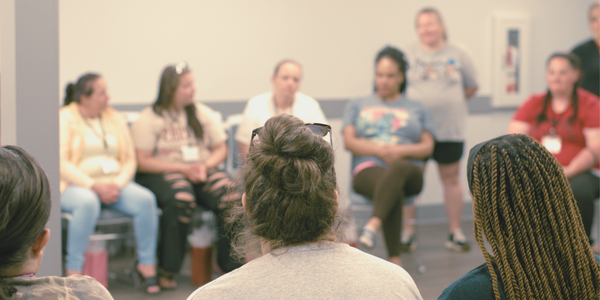
Our highly structured program serves clients with the primary purpose of restoration from alcohol and/or drug abuse as well as dependency disorders to levels of positive functioning and abstinence. A primary goal of this program is to move the client into less intensive levels of care and/or reintegration into the community as appropriate. Services include individual and group therapy, educational groups, intensive case management, trauma recovery groups, and other evidenced based groups.
Peer Support Community with Recovery Housing (PSC)
This program provides a safe and secure living environment where every client is a role model for the clients entering the program after them. Clients entering the program are introduced to a culture of accountability for themselves and their peers. Groups and classes consist of evidenced based self-care, self-esteem, GED/computer/resume classes, campus Narcotics Anonymous (NA)/Alcoholics Anonymous (AA) meetings, financial planning, criminal thinking group, and re-entry program. During this phase, women are working, saving money, and repairing/building relationships with their children and family. A case manager will be assigned to each resident to address individual needs to enhance access to community resources.
Intensive Outpatient Program (IOP)
This program focuses on addressing addictions, depression, and other dependencies of the individual client through involvement in the following therapeutic processes: evidenced based groups, 12 step facilitated individual and group therapies, family therapy, addiction/co-occurring educational presentations, and experiential and skill-building groups. This treatment program enables clients to continue with their normal day-to-day lives in a way that residential treatment programs do not. IOP can be attended on an outpatient basis.
Partial Hospitalization Program (PHP)
Partial Hospitalization Program (PHP) is a level of care that provides clients with access to a safe, and structured treatment environment without total disruption of their daily routines. This program allows a client to reside in their own home and commute to treatment daily. It’s a full-time mental health counseling program that requires dedication and commitment to improving one’s health and wellness. PHP can be attended on an outpatient basis.